


 March 4, 2026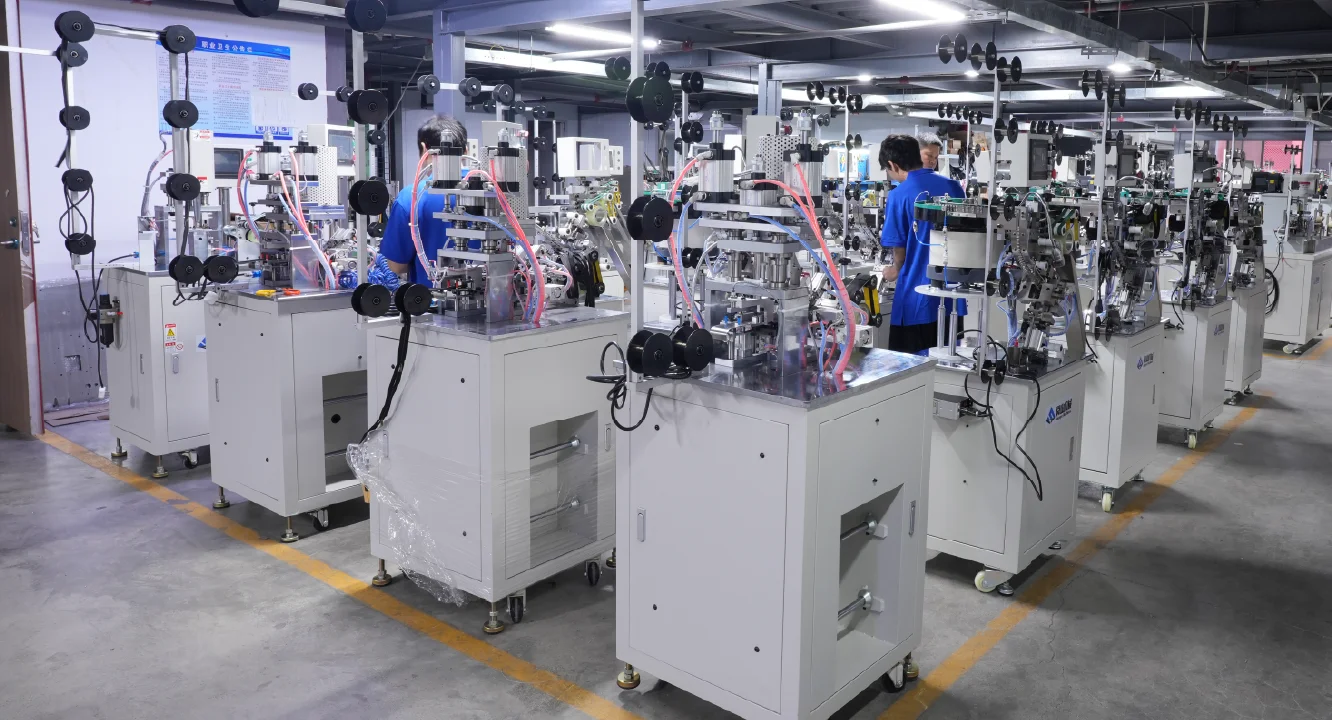
Explore the key trends shaping the global zipper manufacturing industry in 2026, from AI-powered quality inspection to eco-friendly production materials.
1. Understanding the Market Landscape
The global zipper manufacturing industry continues to grow, driven by rising demand in fashion, outdoor equipment, and industrial applications. Manufacturers investing in the right machinery today are positioning themselves for significant competitive advantages in the coming years.
2. Key Technical Considerations
When evaluating zipper production equipment, focus on throughput consistency, energy consumption, maintenance requirements, and after-sales support. A machine that delivers 3,000 pieces per hour with 0.5% defect rate will outperform a faster machine with 5% reject rate in real-world profitability.
- Estimate peak monthly demand, not average — peaks define the equipment ceiling.
- Reserve 15–20% spare capacity for color changes, sampling, and maintenance windows.
- Confirm power, compressed air, and floor-load match the machine datasheet.
3. After-Sales Support and Partnership
The relationship with your machine supplier should extend far beyond the initial purchase. Look for suppliers who offer comprehensive warranty coverage, fast spare parts availability, remote technical support, and operator training programs. Shunye includes a 12-month warranty, free remote installation, and lifetime technical support with every zipper machine shipped worldwide.
“Working with Shunye transformed our production capacity. The machines run 24/7 with minimal downtime, and their support team responds within hours.” — Production Manager, Southeast Asian garment manufacturer
Contact our engineering team today with your specific requirements and we’ll recommend the optimal configuration for your production line within 24 hours.



 May 3, 2026