


 September 17, 2026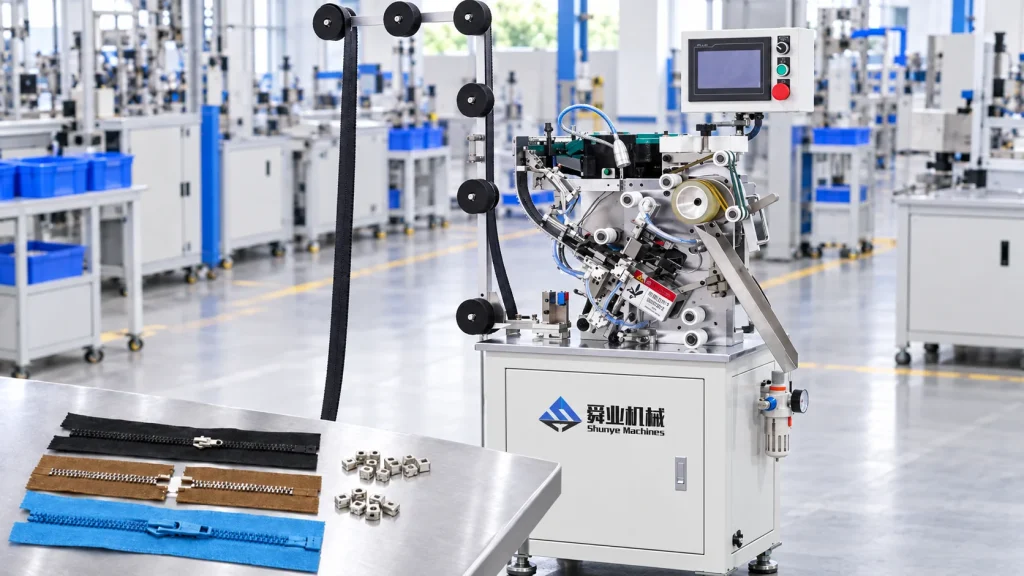
Choosing a zipper-making machine for square pin and box attachment is not just a matter of comparing machine speed. The equipment must match the zipper structure, tape width, pin and box dimensions, product range, quality target, and daily production plan. A mismatch can create loose components, poor alignment, frequent adjustments, and more manual work after installation.
This guide is for zipper factories comparing semi-automatic and fully automatic pin and box attaching equipment. It explains the parameters to confirm before requesting a quotation, the questions to ask during sample testing, and the information a zipper machine manufacturer needs to recommend a suitable configuration.
What Does a Square Pin and Box Machine Do?
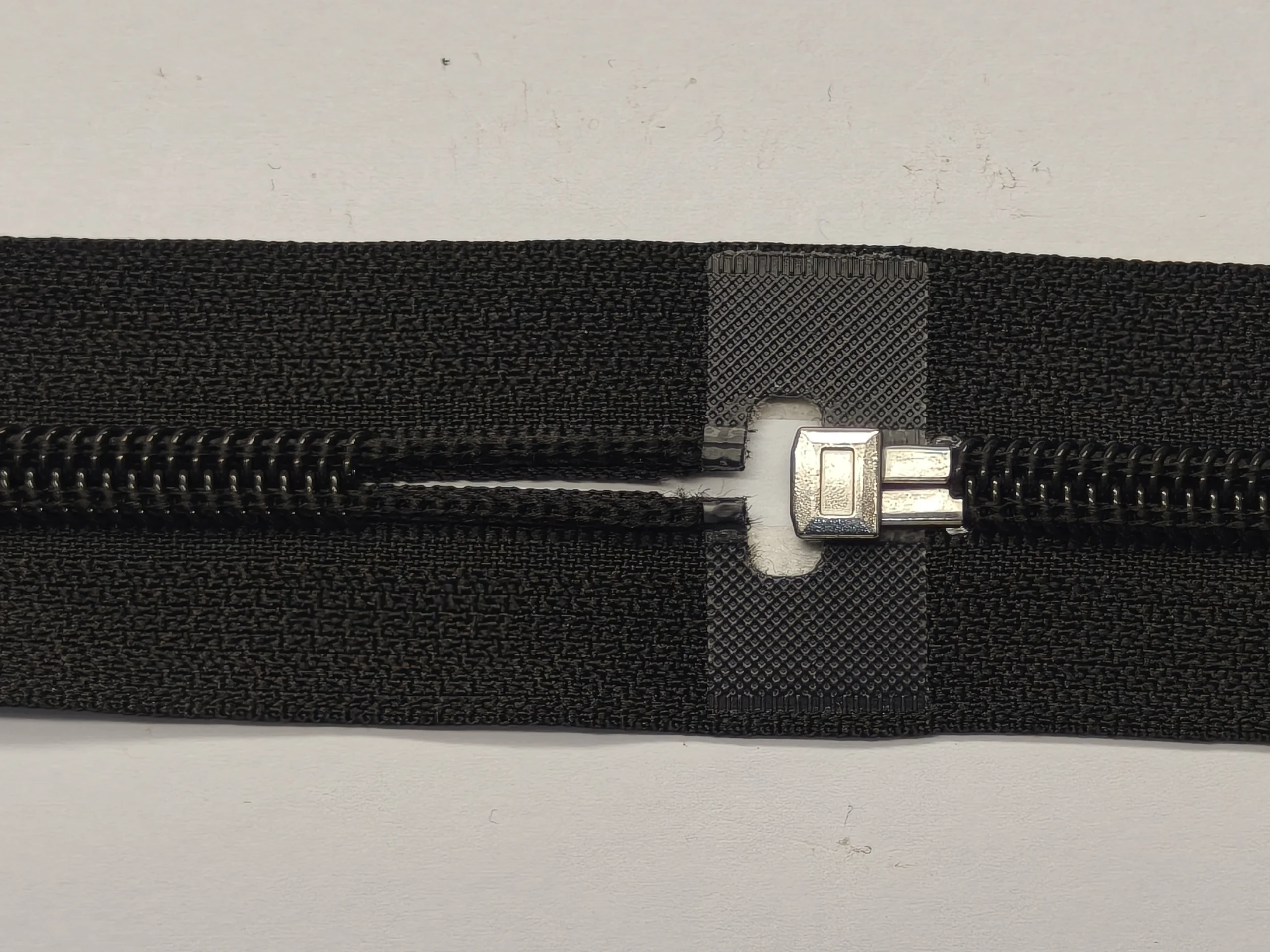
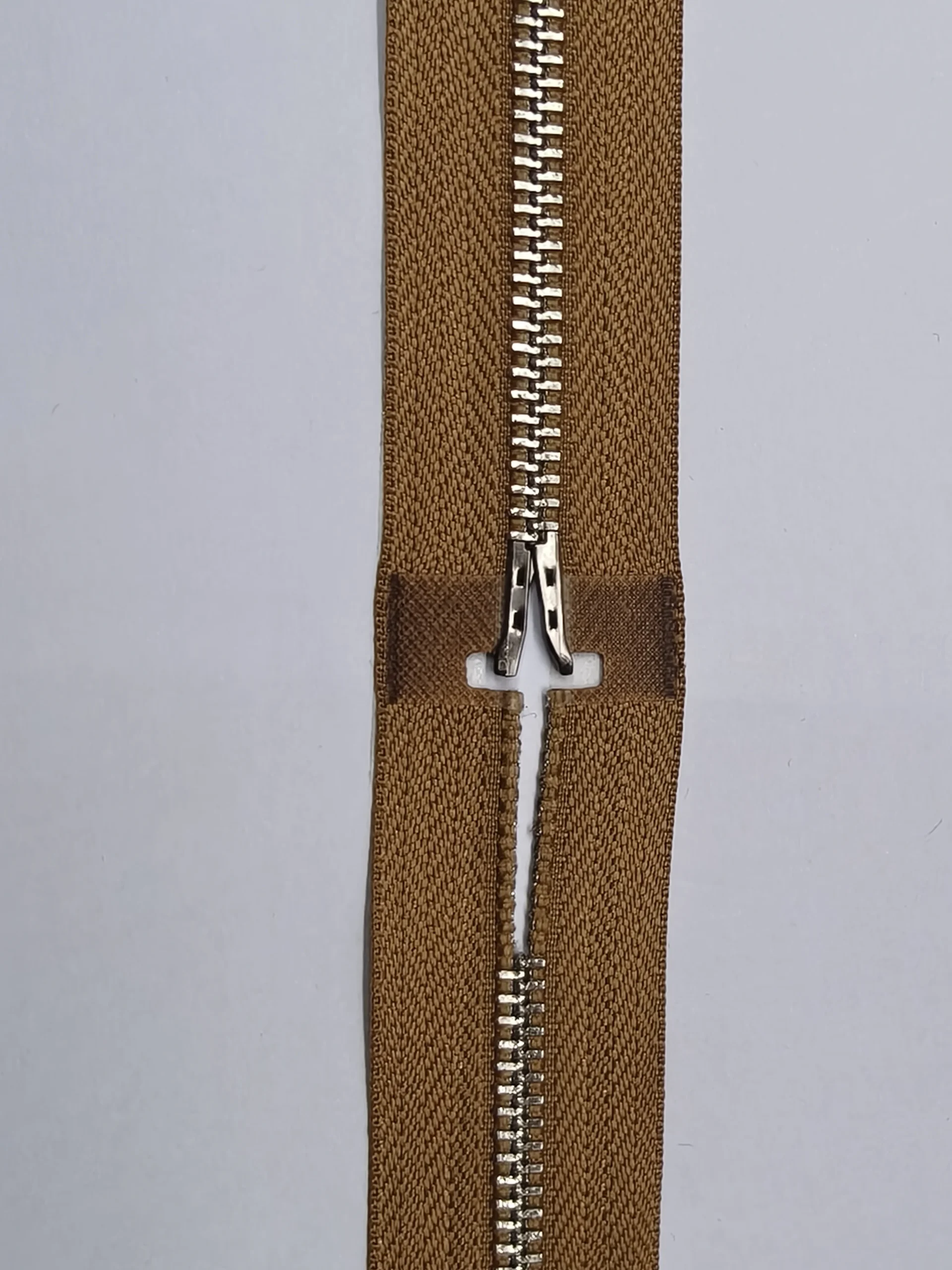
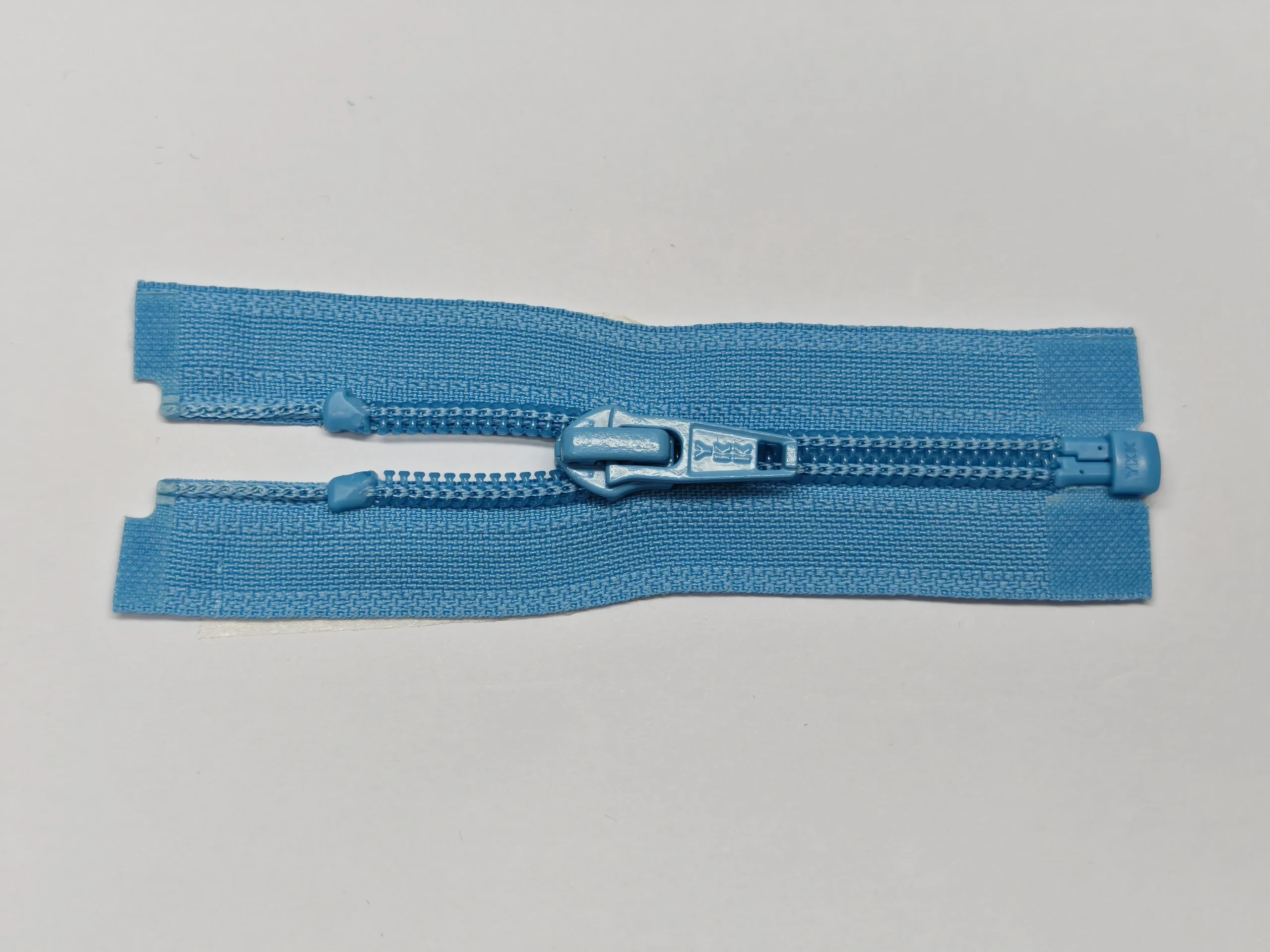
A square pin and box machine installs the separating components used on an open-end zipper. The pin is fitted to one side of the zipper, while the box is attached to the other side. Together, these parts allow the zipper to separate and reconnect when the slider is operated.
The process normally requires controlled feeding, accurate positioning, component supply, insertion or attachment, and quality checking. The exact process changes with the zipper material, tape construction, component size, and finished product requirements.
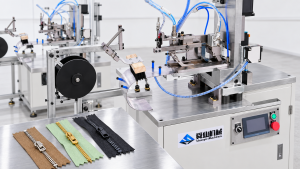
Shunye lists both a semi-automatic square pin insertion machine, SYM-112, and a fully automatic square pin and box attaching machine, SYM-112A. The published catalog describes the SYM-112A as a one-stroke pin and box installation machine with output up to 1,200 pieces per hour and low power consumption. These figures are useful references, but they should be confirmed with your own samples and operating conditions through the Shunye zipper machine catalog.
Semi-Automatic vs Fully Automatic Pin and Box Equipment
| Comparison point | Semi-automatic machine | Fully automatic machine |
|---|---|---|
| Operator involvement | The operator may load, position, or assist with parts during the cycle. | Feeding and attaching steps are integrated to reduce manual handling. |
| Best fit | Lower volumes, many product changes, or factories starting automation. | Stable open-end zipper production with repeatable volume and quality targets. |
| Output consistency | More dependent on operator technique and positioning. | More consistent when the product range and machine settings are stable. |
| Changeover flexibility | May be practical for frequent small batches. | Can be efficient for repeat orders, but setup and tooling must be confirmed. |
| Investment logic | Lower entry cost and a gradual automation path. | Higher automation potential and lower manual transfer at suitable volumes. |
There is no universal winner. A fully automatic machine is not automatically the better purchase if the factory changes zipper size every hour or has unstable incoming materials. Conversely, a semi-automatic solution may become a bottleneck when demand is stable and operators spend most of the shift repeating the same positioning task.
How a Zipper Making Machine Fits the Production Line
A pin and box machine rarely works alone in a busy zipper factory. Before choosing a standalone unit, identify the operations before and after insertion. Cutting, punching, slider feeding, top stop application, inspection, and packing can all affect the final output. If the attaching machine runs faster than the upstream process, finished work will wait in front of the station. If the downstream process is slower, the extra speed will not improve shipped output.
For a stable high-volume product, a fully automatic machine can make sense as part of a balanced line. For mixed orders, a modular setup may be easier to adjust. The correct decision is the one that improves the whole process, not the one with the most impressive specification on a brochure.
Parameters to Confirm Before Buying
1. Zipper material and construction
Confirm whether the machine will process nylon coil, plastic or resin, or another open-end zipper construction. Material affects feeding behavior, component fit, punching requirements, and the force needed for insertion. Do not assume that a machine suitable for one zipper family can automatically handle every material.
2. Tape width and zipper size
Provide the supplier with the complete size range, not only one sample. Confirm tape width, tape thickness, chain width, tooth or coil size, finished length, and acceptable tolerance. The machine should be tested at the smallest and largest sizes you plan to produce.
3. Pin and box dimensions
Pin and box components must match the zipper chain, tape, slider, and end construction. Confirm component dimensions, material, shape, feeding orientation, and whether different component sizes require separate tooling or adjustment. Ask how quickly an operator can change between component specifications.
4. Feeding and positioning method
Ask how the zipper tape is guided into the machine and how the pin and box are separated, oriented, and supplied. A reliable automatic cycle needs stable feeding. If parts are supplied inconsistently, even a fast machine can produce stoppages or misaligned components.
5. Insertion accuracy and quality control
Define what “acceptable” means before the test. Confirm pin and box position, attachment strength, end alignment, tape damage, component deformation, and the inspection method. Ask whether the machine includes sensors, alarms, reject handling, or a way to identify a feeding fault.
6. Rated output and actual output
Rated output is a starting point, not a production promise. Calculate output using effective operating time, loading, changeovers, inspection, maintenance, and yield. For example, a machine rated at 1,200 pieces per hour will not necessarily deliver 9,600 acceptable pieces in an eight-hour shift.
Expected daily output = rated hourly output × effective production hours × expected yield.
7. Changeover time and tooling
Ask for the changeover procedure in practical terms. How many adjustments are required? Which tools are needed? Does the machine store settings? How long does it take to change between zipper sizes or pin and box types? A machine with a lower rated speed may deliver better daily output if it changes products quickly.
8. Power, footprint, and operator requirements
Confirm power supply, compressed air requirements, working height, floor space, access for maintenance, and the number of operators. Request a layout drawing if the machine will be installed as part of a wider zipper finishing line.
9. Training, spare parts, and acceptance testing
A purchase decision should include installation guidance, operator training, spare parts, warranty response, and a factory acceptance test. Ask the supplier to run your actual zipper samples before shipment and to record the result. This creates a clearer baseline than a general product video.
What Samples and Data Should You Send to the Manufacturer?
Send enough information for the engineer to evaluate the complete attaching process. A single photograph is useful, but physical samples provide better evidence.
- Open-end zipper samples with the correct tape and chain
- Pin and box components for every size you plan to produce
- Slider and puller samples used with the finished zipper
- Finished length range and tolerance
- Target daily output and number of shifts
- Current operator count and existing process bottleneck
- Factory power, compressed air, and available floor space
This information helps the manufacturer distinguish a pin-and-box attaching need from a wider open-end zipper process. In some cases, the correct solution includes punching, cutting, slider feeding, top stop, or other finishing operations. Shunye’s complete zipper processing line solutions show why the component attaching station should be evaluated as part of the whole production flow.
If the machine will be exported to a regulated market, ask the supplier which safety documents apply to the final configuration. You can use ISO 12100 machinery safety principles and the European Commission machinery guidance as starting references, then confirm the requirements for your destination.
Common Buying Mistakes
- Choosing the highest speed: Speed does not compensate for poor feeding, frequent changeovers, or low yield.
- Testing only one product: A machine may perform well on one size but need different tooling for another.
- Ignoring component supply: Pin and box orientation and feeding stability are central to automatic operation.
- Comparing machine prices only: Include tooling, training, installation, maintenance, spare parts, and commissioning.
- Skipping a sample test: A real zipper sample is the fastest way to expose alignment and attachment problems.
- Forgetting future production: Select a configuration that supports planned volume and product expansion.
Frequently Asked Questions
How does a zipper making machine handle square pin and box attachment?
A suitable zipper making machine controls tape feeding, component orientation, pin and box placement, and attachment quality. Confirm the supported zipper material, component dimensions, adjustment range, and sample-test results before ordering.
What is the difference between a pin insertion machine and a pin and box attaching machine?
A pin insertion machine may focus on one part of the process, while a pin and box attaching machine is designed to complete the two-component attachment cycle. Confirm the exact process covered by the model and test both sides of the zipper.
Is a fully automatic square pin and box machine suitable for nylon zippers?
It may be suitable when the machine configuration, component size, and tape construction are compatible. Confirm the exact nylon zipper samples and required open-end structure with the supplier before ordering.
How do I calculate the required machine capacity?
Start with daily demand, then allow for effective operating hours, setup, inspection, maintenance, and yield. Use the resulting planning output to compare one machine with multiple stations or a complete line.
What should I check during a factory acceptance test?
Check feeding stability, pin and box orientation, insertion position, attachment strength, finished appearance, changeover time, alarm handling, and acceptable output over a realistic continuous run.
Can one machine handle several pin and box sizes?
That depends on the model, tooling, adjustment range, and product design. Ask for a written compatibility range and confirm whether changing sizes requires tooling replacement or only parameter adjustment.
How can I request a suitable recommendation?
Send your zipper material, tape width, pin and box dimensions, size range, open-end structure, daily output, and factory location through the Shunye inquiry page. The engineering team can then assess whether a standalone machine or a wider production-line configuration is more suitable.
Need Help Selecting a Pin and Box Attaching Machine?
Share your zipper samples, component sizes, target output, and factory requirements. Shunye can help you compare a semi-automatic machine with a fully automatic square pin and box attaching solution.


 Sep 16, 2026